
How Depression Shows Up in Women: 7 Common Symptoms to Know
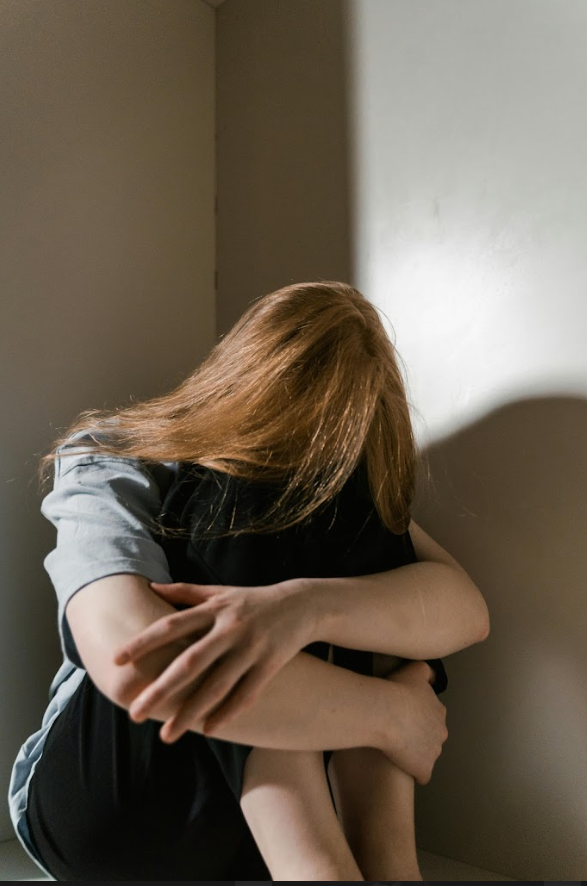
It starts as a quiet struggle.
At times it may feel like, "It's okay, I just need to calm down." But what is it, really?
It can be confused with anxiety, with anger, or with feeling nothing at all. You feel everything and nothing at the same time, and not like yourself.
It feels like being homesick, even when you're already home. Like something is missing, but you can't quite name what it is.
As a woman, you convince yourself it's stress, hormones, burnout, or just life in general.
Maybe you've been snapping at people you love and don't know why, or you've been sleeping enough but waking up exhausted. Maybe you've been showing up for everyone else while quietly falling apart on the inside. The hardest part isn't the feeling itself. It's the silence around it. The wondering if you're overreacting. And so the days pass, sometimes weeks, sometimes years, while you keep telling yourself you're fine.
Sometimes, you don't even want things to end. You just want the feeling to stop.
Key Takeaways
Women are nearly twice as likely as men to experience depression
Depression symptoms in women often look like anxiety, guilt, fatigue, and numbness, not just sadness
Many women mistake depression for stress, burnout, or hormonal changes
The DSM-5 defines a depressive episode as symptoms lasting at least two weeks
Depression is a medical condition, not a personal failing, and it responds well to treatment
A note before you read on: If you or someone you know is already struggling with depression or having thoughts of suicide, please don't wait. Reach out to someone you trust, contact a mental health professional, or call your local emergency services. In the US, you can call or text 988 anytime to reach the Suicide and Crisis Lifeline. You are not alone, and help is available right now.
Why Depression Is Often Missed in Women
The reason it takes so long to name it is that depression symptoms in women don't always look the way we expect. Depression doesn't always mean crying in bed. It can mean getting up, going through the motions, doing everything you're "supposed" to do, and still feeling empty inside.
Research shows that women are nearly twice as likely as men to experience depression. But the truth is, anyone can have depression. The symptoms are not one-size-fits-all. They can be well-hidden by anyone who is struggling.
So why do so many women go undiagnosed for years before finding treatment? Let's talk about that.
Hormonal Changes Across a Woman's Life
A woman's mental health is closely tied to her hormones. Things like the menstrual cycle, pregnancy, postpartum recovery, and menopause can all trigger or worsen depression.
Conditions like premenstrual dysphoric disorder (PMDD) and perinatal depression are real, recognized forms of depression, not just "mood swings." They often go undiagnosed because they're brushed off as normal hormonal changes.
The Tendency to Ruminate
When something is wrong, women are more likely to dwell on it, replaying the same thoughts over and over. This is called rumination, and it's strongly linked to depression.
The mental loop sounds like: Why do I feel this way? What's wrong with me? I should be doing better. Rumination doesn't just come with depression. It can actually make it worse and harder to shake.
Social and Cultural Load
Society has long assigned women the role of caretaker. Managing the home, caring for others, holding relationships together — these responsibilities are often expected of women without question. Women carry a heavy invisible load, and most of the time, no one talks about it.
When that burden becomes constant, it wears you down in a way that looks and feels a lot like depression, and can eventually become it.
There's also the pressure to seem fine. To hold it together. To not complain. That pressure makes it easy to push symptoms aside for a long time.
Internalizing vs. Externalizing
Men often show depression outwardly through anger, substance use, or risky behavior. Women tend to turn it inward. That means more self-criticism, withdrawal, guilt, and unexplained physical symptoms.
Because these signs are quieter, they're easier to miss, even by the people who know you well, and even by you.

7 Common Symptoms of Depression in Women
Here's the thing about depression symptoms in women: they rarely look like what you see in movies or read about in pamphlets. Depression is a master of disguise. It hides behind busy schedules, people-pleasing, and the pressure to keep it all together. Most of the time, it looks like your Tuesday. It looks like your life.
Here are seven signs that are most commonly missed, minimized, or mistaken for something else entirely.
1. Persistent Sadness or Emptiness
This isn't always dramatic crying. More often, it feels like a gray flatness, like color has been drained out of everything.
You might describe it as feeling "off," numb, or just not like yourself. Things that used to feel meaningful, like your relationships, your work, or small everyday moments, don't seem to land anymore.
According to the WHO, a depressive episode involves this kind of low mood or loss of pleasure almost every day, for at least two weeks. If that sounds familiar, it's worth paying attention to.
2. Loss of Interest in Things You Used to Love
This is called anhedonia, and it's one of the most telling symptoms of depression in women. It's not just "not feeling like it." It's more like the part of you that used to want things has gone silent.
The hobby sits untouched. You see friends but feel far away. You go through the motions, but nothing really lands.
It's easy to chalk this up to being tired or burned out. But when it sticks around, it's worth looking closer.
3. Fatigue and Low Energy
Depression fatigue is not the same as being tired after a long day. It's the kind of exhaustion that sleep doesn't fix.
You wake up already drained. Getting through simple tasks feels like way more effort than it should. Even small decisions feel hard.
Because this kind of fatigue blends in with everyday life, it's one of the female depression symptoms women most often explain away, sometimes for years.
4. Increased Anxiety, Guilt, or Self-Criticism
Here's something a lot of people don't know; one of the most common signs of depression in women is anxiety, not sadness.
You might feel constantly on edge, even when nothing specific is wrong. You might carry a low hum of guilt that never quite goes away. You might feel like you're failing at everything, even when you're doing a lot.
That relentless inner critic isn't just a bad attitude. It's often depression talking. If this feels familiar, our page on anxiety treatment in Los Angeles is worth a read too.
5. Changes in Sleep or Appetite
Depression affects the basics, like how you sleep and how you eat.
Some women can't fall asleep. Others sleep too much and still feel tired. Some lose their appetite completely. Others eat more than usual, often for comfort, without it really helping.
These aren't just bad habits. The Mayo Clinic notes that these physical changes, when paired with low mood and loss of interest, are important warning signs, not just things to "fix" on your own.
6. Irritability or Emotional Sensitivity
Depression doesn't just make you sad. It can also make you more reactive.
You cry at small things. You feel snappy or short-tempered in ways you can't explain. You feel easily overwhelmed by conversations or situations that normally wouldn't bother you.
Many women feel ashamed of this and keep quiet about it. But irritability is a recognized symptom of depression in women. It's not a character flaw. It's information.
7. Feeling Burned Out, Overwhelmed, or Numb
This one is tricky, because it sounds like a lifestyle problem, not a mental health one. You're still showing up. You're still functioning. But you feel empty inside. Disconnected from yourself and the people around you. Like you're going through the motions but nothing really matters.
This isn't just burnout. It's one of the most common and least recognized signs of depression in women. And it deserves more than a few days off.
"There are often urges we feel to push through. As a therapist, I meet those urges with the utmost care. Our body is designed to help us survive through hardship, and this is just one of the ways it's trying to do that. Through curiosity in therapy, we can explore what sustainable tools you can use to bring you added relief."
When to Seek Help
The Two-Week Threshold
The DSM-5 defines a major depressive episode as symptoms that occur most of the day, nearly every day, for at least two weeks.
If several of the symptoms above have been with you for two weeks or more, please reach out for support. You don't need to be in crisis to deserve help.
When It's Getting in the Way
If depression is affecting your work, your relationships, your sleep, or your ability to care for yourself, that's enough reason to talk to someone. You don't have to wait until things feel unbearable.
When You Feel Hopeless
A persistent sense that things won't get better is one of the most important warning signs. If that's where you are right now, please don't wait.
If You're Having Thoughts of Self-Harm
If you're having thoughts of hurting yourself or not wanting to be here, please reach out right away.
Call or text 988 to reach the Suicide and Crisis Lifeline, available 24/7. You can also visit 988lifeline.org or call 911 in an emergency.
This Part Matters
If you've been nodding along to this post, we want you to hear this: what you're feeling is real.
Depression is a medical condition, not a sign that you're weak, broken, or not trying hard enough. It has real biological, hormonal, and environmental roots. And it's one of the most treatable conditions there is.
Naming it isn't giving up. It's how you start getting better.
Frequently Asked Questions
Can depression in women look like anxiety?
Yes, often. Women with depression frequently feel anxious, worried, or on edge, sometimes more than they feel sad. This overlap makes it easy to miss. If anxiety is a big part of what you're feeling, our post on morning anxiety may also resonate with you.
Is it depression or burnout?
They share a lot of the same symptoms. The difference is that burnout is usually tied to a specific source, like work or caregiving, and tends to improve when that source changes. Depression is more widespread and doesn't lift just because you rest. A therapist can help you figure out which one you're dealing with.
Can hormonal changes cause depression?
Yes. Hormonal shifts during the menstrual cycle, pregnancy, postpartum recovery, and menopause can all trigger depression. Conditions like PMDD and perinatal depression are real diagnoses, not just "hormonal," and they respond well to treatment.
Does depression always involve sadness?
No. Some women never feel particularly sad. They feel numb, irritable, exhausted, or anxious instead. Sadness is one possible sign of depression in women, not a required one.
How long does depression last without treatment?
For many people, untreated depression can last months. The good news is that it responds well to therapy, medication, or both. Most people start feeling better once they get the right support.
Can I be depressed and still function?
Absolutely. High-functioning depression is real. Plenty of women keep working, parenting, and socializing while feeling miserable on the inside. Functioning doesn't mean you don't need or deserve help.
Depression Therapy at Highland Park Holistic Psychotherapy
At Highland Park Holistic Psychotherapy, we work with women who are dealing with all kinds of depression, including postpartum depression, burnout, and the quiet, low-grade kind that's hard to name but very real.
Our therapists use approaches like Cognitive Behavioral Therapy (CBT), Internal Family Systems (IFS), EMDR, and somatic therapy to help you understand what's going on and start to feel better.
We're based in Los Angeles, and we'd love to support you. Book a consultation with Highland Park Therapy here.
Other Services Offered with Highland Park Holistic Psychotherapy
At Highland Park Holistic Psychotherapy, we provide a wide range of mental health services, including depression therapy, anxiety treatment, grief counseling, trauma therapy, and other services, including online therapy, in our Los Angeles, CA office. You can also read more by visiting our blog or FAQ page.